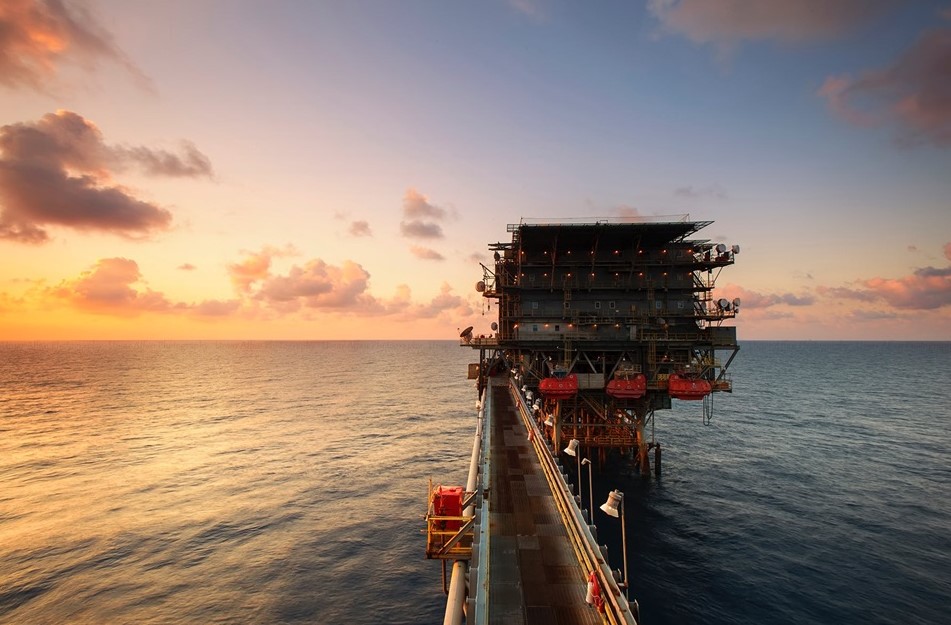

The stability of global markets is inextricably linked to the efficiency of maritime logistics, a sector that facilitates approximately 90% of international trade.
In an era defined by economic volatility and shifting geopolitical landscapes, the resilience of supply chains has become a primary concern for investors, policymakers, and multinational corporations.
While much of the public discourse focuses on digital transformation and financial instruments, the physical backbone of global commerce remains the maritime infrastructure.
Enhancing the capabilities of ports, offshore installations, and service vessels is no longer merely a technical requirement; it is a strategic economic imperative that dictates the flow of capital and the reliability of essential commodity markets.
Infrastructure as a Driver for Market Stability
In the context of an open economy, the efficiency of port operations directly influences the inflationary pressures on consumer goods and industrial raw materials.
Vessel downtime, often caused by inadequate or aging deck equipment, generates a ripple effect that increases freight rates and disrupts just-in-time manufacturing processes.
By investing in modernizing maritime assets, stakeholders can significantly mitigate these risks. Reliable infrastructure ensures that loading and unloading cycles are predictable, which in turn allows for more accurate market forecasting and reduced operational overhead.
As global trade routes become more congested, the ability to maintain high throughput through technological precision serves as a competitive advantage for national economies.
The Blue Economy and the Offshore Energy Transition
The global transition toward sustainable energy sources has introduced a new dimension to maritime infrastructure.
The expansion of offshore wind farms and the decommissioning of legacy oil and gas platforms require a sophisticated fleet of service operation vessels (SOVs) and support units.
This “Blue Economy” represents a multi-billion dollar market that relies heavily on the durability and innovation of specialized machinery.
To meet stringent Environmental, Social, and Governance (ESG) criteria, companies must ensure that their offshore operations are conducted with maximum safety and minimal environmental impact.
The transition toward a sustainable energy landscape is driving a surge in capital investments.
To secure these long-term investments, companies are prioritizing advanced lifting and handling equipment that offers high reliability and minimal maintenance, effectively reducing the total cost of ownership and ensuring the success of complex offshore projects.
Strategic Priorities for Maritime Capital Expenditure
To maintain a resilient maritime infrastructure, investors and vessel owners are focusing on several key strategic priorities:
- Operational Uptime: Selecting equipment with high reliability to prevent costly project delays in remote offshore locations.
- Safety and Risk Mitigation: Implementing advanced safety features to protect human capital and expensive subsea assets during high-sea states.
- Lifecycle Management: Prioritizing modular designs that allow for easy upgrades and maintenance, extending the functional life of the vessel.
- Regulatory Alignment: Ensuring all deck installations comply with the evolving international standards for safety and environmental protection.
Technological Integration and Economic Efficiency
The integration of smart technologies into maritime lifting and handling solutions is redefining the profit margins of the logistics sector.
Automation and remote monitoring allow for a more granular understanding of equipment performance, enabling predictive maintenance that prevents catastrophic failures.
This shift from reactive to proactive asset management is crucial for protecting the Capex (Capital Expenditure) of large-scale maritime projects.
The following table illustrates the shift in focus between traditional maritime operations and the requirements of the modern, future-ready offshore market:
|
Feature |
Traditional Infrastructure Focus |
Future-Ready Maritime Standards |
|
Maintenance Model |
Reactive (repairing after failure) |
Predictive (data-driven monitoring) |
|
Safety Systems |
Manual monitoring and basic guards |
Automated anti-collision and heave compensation |
|
Energy Efficiency |
High consumption / Hydraulic focus |
Low consumption / Hybrid and electric integration |
|
Economic Goal |
Immediate cost reduction |
Long-term lifecycle value and ESG compliance |
A Resilient Path Forward
The future of the global economy is deeply rooted in the ability to move goods and energy across the oceans with precision and safety.
As the maritime sector continues to evolve, the distinction between “commodity” equipment and “strategic” infrastructure becomes clearer.
Modernizing maritime assets is not just an operational necessity; it is the foundation for a more resilient and sustainable global trade network.
By focusing on high-performance engineering and technological innovation, the industry can ensure that the sea remains a reliable corridor for the world’s most vital economic activities.