
Water damage is one of the most significant threats facing homeowners today, often occurring quietly before the effects become dramatically expensive and difficult to repair. Fortunately, one effective way to guard your property against these issues is to keep your gutters in top shape. By handling routine maintenance and repairs—or turning to experts like rain gutter installation specialists—you can safeguard your investment and maintain your home’s structural integrity for years to come.
Gutters are the unsung heroes of a healthy home. Without regular upkeep, simple blockages or overlooked damage can cause water to overflow, potentially leading to basement leaks, damaged siding, and even foundation problems. Consistent gutter maintenance is the first and best line of defense against these hidden dangers.
For both new and seasoned homeowners, understanding what proper maintenance entails is crucial. Keeping your gutters clear of debris will prevent costly repairs, maintain your home’s curb appeal, and protect its value. It only takes a little effort a few times a year to ensure that seasonal rains, melting snow, and debris do not compromise your property.
When you ignore gutter maintenance, the risks increase each year. Overflowing water can erode landscaping, stain exterior walls, rot wooden trim, and even penetrate interior spaces. Being proactive now, instead of waiting for a costly repair, can make all the difference.
Importance of Gutter Maintenance
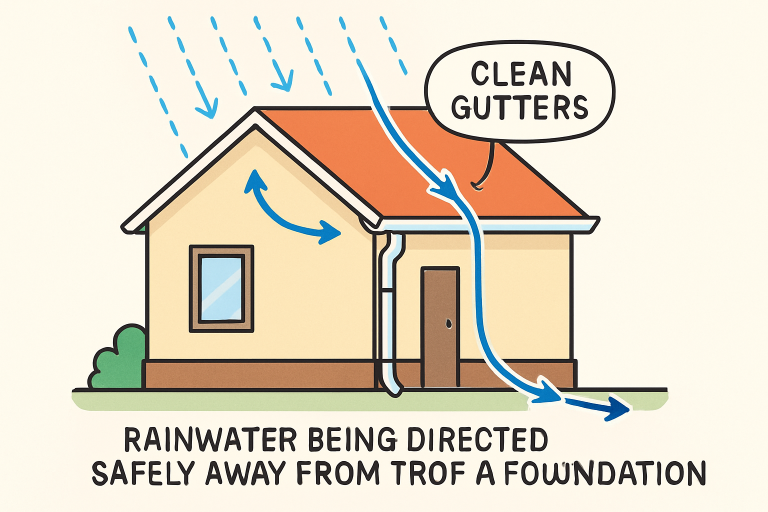
Gutters divert rainwater from your roof and foundation, helping to prevent erosion, mold, and structural decay. Blocked gutters fail to channel water effectively, causing it to overflow and saturate parts of your house that are not well-equipped to handle constant moisture. According to experts at Family Handyman, regular gutter care is one of the most affordable and effective methods to shield your home from widespread water damage.
By performing just a few simple tasks—including debris removal and seasonal checks—you can extend the life of your gutter system and the life of your home’s exterior. This is particularly important for older homes or houses in wooded areas, where falling debris is a year-round concern.
Establishing a Regular Cleaning Schedule
The key to reliable gutters is consistency. Clean your gutters twice a year: once in the spring to remove seeds, twigs, and winter grit, and again in the fall after the leaves have dropped. If pine trees or other heavy-shedding species surround your home, you may need to check even more frequently—especially after storms or high winds, which have a knack for packing gutters with unexpected debris.
Cleaning involves more than just scooping out leaves. Flush your gutters with a hose to clear minor blockages, ensure water flows freely, and keep your downspouts unobstructed. Creating this routine can prevent unexpected leaks and floods. The U.S. Environmental Protection Agency even recommends regular gutter checks as part of broader rainwater management strategies, as clogged systems can quickly undermine any water-related improvements on your property.
Installing Gutter Guards
Gutter guards offer lasting relief for homes plagued by constant clogs. These devices cover the open troughs, preventing large debris from entering while allowing water to flow freely. Options range from simple mesh screens to durable surface-tension models that can even block pine needles and tiny twigs.
With gutter guards in place, you’ll spend much less time cleaning and worry less about unexpected blockages that can quickly get out of hand. While no guard is entirely maintenance-free, most homeowners experience a significant reduction in required cleanouts. Consider these a wise investment for homes in areas with heavy leaf cover or prone to storms.
Inspecting for Damage
Regular visual inspections can catch problems before they spiral. Look for sagging sections, rusted spots, detached hangers, or visible cracks along the gutter line. Ensure seams are tight and corners are not leaking. Inspect from both the ground and up close (using a safe, steady ladder). Check for signs of water running down the exterior walls, as this is a classic sign of improper drainage.
Signs of Hidden Damage
- Peeling paint or warped wood near gutters
- Basement moisture or water stains below eaves
- Moss, mildew, or plant growth in or around gutters
- Soil erosion directly beneath the gutter line
Ensuring Proper Downspout Function
Downspouts are just as important as the gutters themselves. They should direct all water at least five feet away from your foundation, using extensions or splash blocks when necessary. If the water barely trickles out or you see puddling around your home, it’s time for maintenance. Take the time to clear bends or blockages and ensure no sections have come loose or separated from the main system.
Seasonal Considerations
Each season brings unique challenges for gutter maintenance. In the fall, leaves and twigs quickly fill gutters, so inspect and clean them regularly. Winter introduces the risk of ice dams, especially in cold regions. To combat this, consider installing heat cables or checking insulation and ventilation in your attic. Spring’s blooms and seeds can be just as troublesome as autumn leaves, while summer thunderstorms may put your system to the test with heavy, sudden downpours.
When to Seek Professional Assistance
While most tasks are manageable for determined homeowners, certain scenarios call for expert intervention. If you spot major damage, persistent clogs, or if your gutters are difficult or dangerous to access, seeking professional help is the smartest and safest move. Contractors have the right tools, training, and experience to fix leaks, replace damaged sections, and even redesign your system for optimal performance.
Final Thoughts
Routine gutter maintenance is an investment in your home’s health and longevity. By following a cleaning schedule, installing protective guards, inspecting for damage, ensuring proper downspout function, and taking seasonal factors into account, you can keep water where it belongs—outside and away from your house. If the work becomes too much or the issues too complex, don’t hesitate to call a professional to protect your peace of mind and your property for the long term.