
The engineering sector is undergoing a rapid transformation due to emerging digital technologies and shifting client expectations. The integration of tools and techniques, such as artificial intelligence, additive manufacturing, and cloud collaboration, is enabling firms to remain competitive in a dynamic market. Clients today demand not just technical expertise, but the agility to solve complex challenges efficiently. Firms leveraging modern design solutions, such as OrCAD PCB New York, are well-positioned to lead the way in innovative engineering outcomes.
The modern engineering landscape is characterized by embracing change through digitalization, data-driven decision-making, and a pursuit of sustainability. With the rapid pace of innovation, firms must continuously evolve, upskill teams, and invest in forward-thinking infrastructure. This article offers a comprehensive guide to the most progressive trends shaping the future of engineering design services, empowering both industry professionals and project stakeholders to make informed decisions.
Digital engineering integration, in particular, plays a pivotal role in uniting multidisciplinary inputs, streamlining communication, and fostering real-time collaboration—crucial components in delivering high-quality engineering solutions. Organizations that invest in state-of-the-art technologies and workflow optimization can dramatically reduce project timelines and enhance product reliability.
Companies are also realigning their goals toward sustainable business models and client-centric methodologies, reflecting a broader industry shift towards responsible engineering and long-term value creation. By harnessing innovative design practices, firms can differentiate themselves in a crowded marketplace and set a new standard for excellence.
Digital Engineering Integration
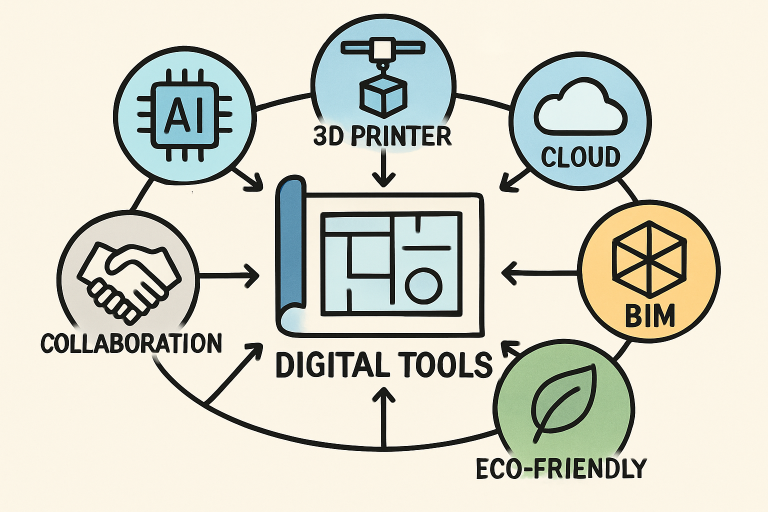
Digital engineering represents a foundational change in how organizations approach project workflows. By embedding digital tools and automated systems into every phase of design and execution, firms can break down silos between teams and create a seamless project narrative from conception to delivery. Digital design configurators enable rapid prototyping, producing highly accurate design iterations that account for diverse technical requirements. This digital shift enables improved documentation, real-time data analytics, and enhanced adaptability in response to evolving project scopes. Studies by McKinsey indicate that digital transformation in engineering results in substantial increases in productivity and operational efficiency.
Artificial Intelligence in Design
The adoption of artificial intelligence (AI) in the engineering sector has ushered in an era of predictive maintenance and intelligent design optimization. AI-driven platforms process vast quantities of project data to identify risk factors, generate design alternatives, and provide actionable maintenance forecasts. Utilizing machine learning, engineers can prevent costly downtime and improve component reliability. AI plays a crucial role in automating repetitive tasks and accelerating the speed of decision-making. For example, autonomous simulation tools can quickly test thousands of design options to select the most efficient solution based on performance criteria or regulatory compliance.
Additive Manufacturing
Additive manufacturing, also known as 3D printing, is redefining the boundaries of modern engineering. Through layer-by-layer construction, this technology enables designers to produce geometries that were previously deemed impossible. Rapid prototyping reduces development times while enabling intricate and highly customized solutions to address client challenges. Whether in aerospace, automotive, or biomedical device design, additive manufacturing offers material savings, reduced waste, and the ability to iterate quickly on prototypes. More companies now rely on 3D printing to bridge the gap between conceptualization and production, ensuring highly tailored results for even the most demanding applications.
Building Information Modeling
Building Information Modeling (BIM) has emerged as a game-changer for architecture, engineering, and construction (AEC) projects. By establishing a single source of truth for all project data, BIM enhances interdisciplinary collaboration, reduces costly rework, and allows for precise visualization of every phase in a facility’s lifecycle. This comprehensive digital representation facilitates clash detection, coordinated scheduling, and transparent stakeholder engagement—critical components in delivering projects on time and within budget. As regulations and stakeholder expectations become more sophisticated, BIM provides a robust framework for delivering value-driven results.
Sustainable Design Practices
Sustainability is becoming a core value in modern engineering, with firms increasingly investing in eco-friendly materials, integrating renewable energy, and implementing efficient lifecycle management. Thoughtful resource selection, energy-conscious layouts, and designs that prioritize ease of maintenance and minimal environmental impact are leading the way. Modern sustainable practices also include leveraging simulation tools to evaluate the carbon footprint and long-term operational costs of projects before ground is broken. Globally recognized standards, such as LEED and BREEAM, encourage firms to innovate toward greener infrastructure continually.
Collaborative Design Platforms
The evolution of cloud-based collaborative design platforms enables geographically distributed teams to work together seamlessly, accessing shared models and documents in real-time. These platforms allow version control, instant feedback, and transparent communication, which minimizes misunderstandings and project delays. Advanced digital platforms also support asynchronous workflows, enhancing productivity when multiple stakeholders participate in different time zones. By delivering updated project data instantly, these tools help engineering teams maintain alignment and adapt quickly to evolving project needs.
Conclusion
The contemporary engineering design services landscape is characterized by an ongoing embrace of digital breakthroughs, including digital engineering, AI, additive manufacturing, BIM, sustainability, and cloud collaboration. These innovations are not just improving efficiency and productivity, but are shaping a resilient and dynamic future for engineering. Leaders adopting these approaches can provide greater value, adapt swiftly to challenges, and build a reputation for delivering forward-thinking, high-quality solutions in an ever-changing world.